


Ivory Coast vs Ecuador – Group Stage Pressure Cooker | Win & BTTS
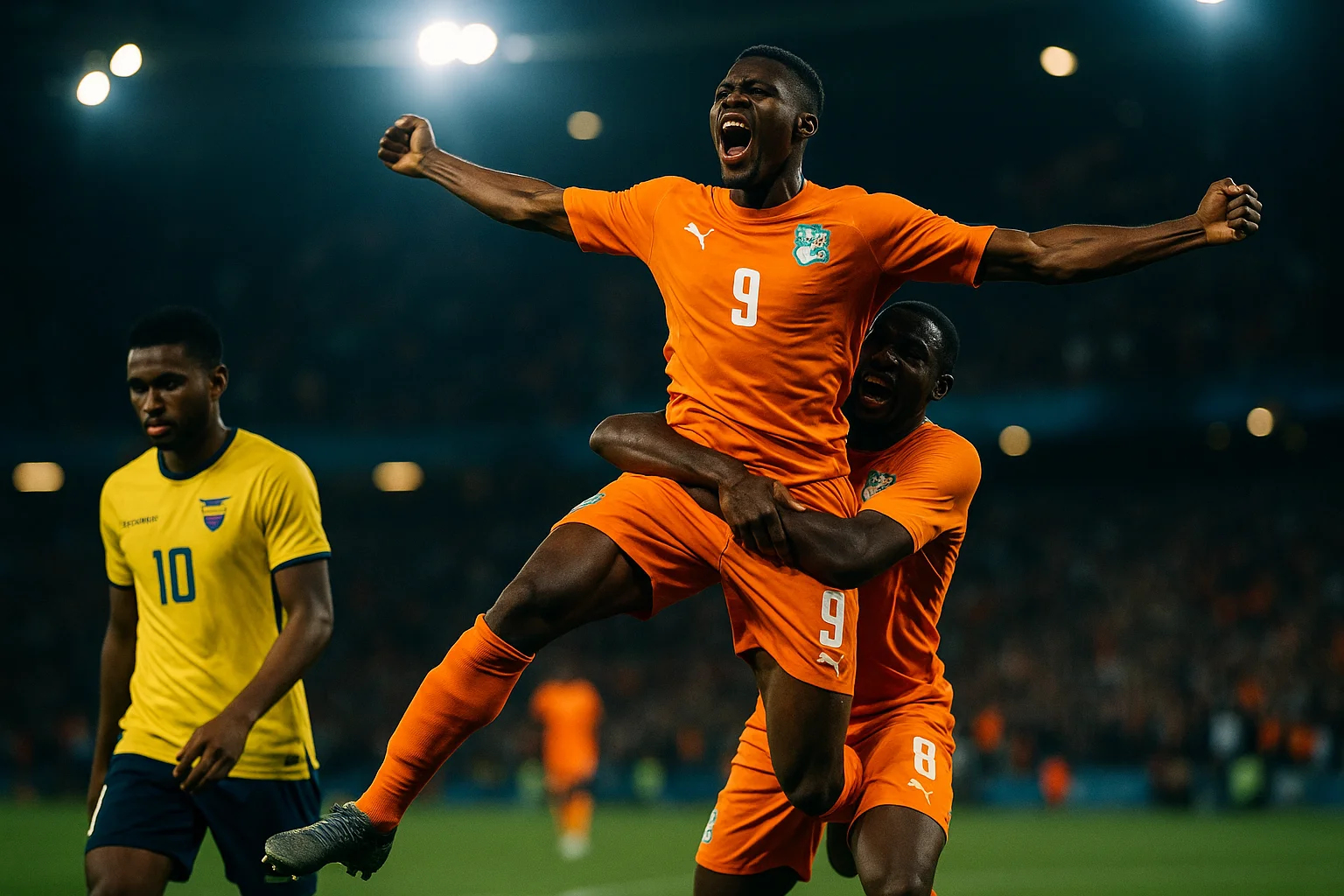
Why This Group Stage Clash Carries Knockout-Round Stakes
My recommended bet for this fixture is Ivory Coast to win and both teams to score. The logic is grounded in tactical matchup, not optimism. There are enough structural reasons to back Ivory Coast in the result market while fully expecting Ecuador to find the net at least once.
World Cup group games compress consequence fast. By June 14, 2026, with the tournament already underway, both sides will have a partial picture of where they stand. A defeat here — for either — could mean elimination is one bad result away. That context shapes how teams approach the game tactically. Caution and aggression can coexist in a fixture like this, and that tension is exactly what makes the BTTS market compelling.

Ivory Coast carry genuine attacking quality. They have the technical players who thrive in transitional football and can punish teams on the counter with real efficiency. Ecuador are a structured, athletic side whose South American qualifying campaign proved they can compete physically and tactically against well-organised opposition. Neither team is here to make up the numbers.
What Each Team Needs From This Result
Ivory Coast need a win. Not because a draw is catastrophic, but because comfortable three-point opportunities are rare in group stage football, and dropping points against Ecuador hands initiative to a side that is well-drilled at grinding results. Ecuador need at minimum a point to stay in contention — but their pressing structure means they tend to play for the game rather than sit deep. That instinct creates goal threat on both sides of the pitch.
Reading the Match Through a Tactical Lens
The detail that matters most is how each team generates pressure. Ecuador press with coordinated triggers — they force the ball into wide channels and use their physical midfield to win second balls. Against Ivory Coast, who prefer to build through the middle with technical midfielders, that pressing structure creates turnovers in dangerous areas. When Ecuador win the ball in transition, they move quickly, and their forward line carries genuine pace in behind.
How Ivory Coast Are Likely to Set Up Defensively
Ivory Coast typically organise in a mid-block, inviting teams into their half before compressing space and launching counters. The problem with this shape against Ecuador is that it requires the defensive line to hold its structure under sustained physical pressure — something Ecuador's centre-forwards are specifically built to test. Ivory Coast's backline is vulnerable to direct running in behind, and that is a route Ecuador will identify and exploit. Expect at least one clear defensive moment where Ivory Coast are exposed.
Ecuador's Pressing Game and Why It Creates Open Football
Ecuador's high press is functional, not aesthetic. It disrupts build-up play early, which means the game rarely settles into a controlled, low-tempo pattern. For BTTS purposes, that matters. When Ecuador press and Ivory Coast break, transitions are quick and defensive shape on both sides is temporarily compromised. Those transitional moments generate the majority of genuine goal opportunities in games like this, and both teams are capable of scoring directly from them.
The Midfield Battle That Could Decide Both Markets
Ivory Coast's midfield is their tactical engine. If they control possession in central areas and deny Ecuador clean press triggers, they slow the game and reduce exposure in their defensive line. If Ecuador dominate the midfield and win the physical battle, the game opens up and both nets are under threat. The midfield outcome does not just affect who wins — it directly determines whether this ends as a tightly managed result or a goalful, open affair. The lean here is toward the latter. Saudi Arabia vs Uruguay – Group Stage Pressure | Win & Over 2.5
Acknowledging Ecuador's Strengths — This Is No Easy Win
Ecuador are a legitimate tournament side. Their South American qualifying record shows they can absorb pressure, stay organised in defensive transitions, and be dangerous at set pieces. They are not a team that folds under tournament pressure. Their physicality at restarts is a particular threat — Ivory Coast will need to defend dead-ball situations carefully, because Ecuador's ability to generate danger from set pieces is a consistent feature of their play, not a one-off.
South American Qualifying Form and Physical Edge
South American qualification is one of the most demanding roads to a World Cup. Travel, altitude variation, and the quality of opposition make it a genuine test of squad depth and tactical resilience. Ecuador came through that campaign, which tells you something real about their character under pressure. Physically, they match up well against most sides — they will not be overawed and they will not be bullied off the ball. Ivory Coast cannot rely on physicality alone. They will need to be tactically smart throughout.
Why Ivory Coast Cannot Afford a Slow Start
Ivory Coast have a tendency in major tournaments to start matches below their own rhythm. If Ecuador score first — and they have the tools to do exactly that — the psychological weight of chasing the game in a World Cup group fixture is significant. An early Ecuador goal forces Ivory Coast to open up, which suits Ecuador's counter-attacking structure. The first fifteen minutes matter enormously, and Ivory Coast need to be sharp from the first whistle.
The Primary Market – The Case for Ivory Coast to Win
Ivory Coast are backed to win this match. The reasoning is straightforward: they carry more creative quality in the final third, their technical midfielders can dictate large portions of the game once the press is managed, and they have the individual ability to create and convert chances. Ecuador are solid, but their attacking output relies heavily on transitions and set pieces — they struggle to manufacture chances from open play when a well-organised side removes their pressing triggers.
Ivory Coast's Case for Three Points
Ivory Coast's attacking talent is the clearest argument for the win. When they move through their technical patterns in form, they can dismantle structured defences with combinations and individual quality. Ecuador's defensive block is disciplined but not impenetrable — Ivory Coast's wide players can find pockets between the lines and create one-on-one situations where individual quality wins out. Ivory Coast should create the better and more frequent clear-cut chances across ninety minutes.
Ecuador's Counter-Arguments and Scoring Threat
Ecuador's counter-argument is real. They are dangerous in transition, resolute at set pieces, and they will not be passive. If Ivory Coast concede in the first half and are forced to chase, Ecuador's defensive structure becomes even harder to break down. Their central defensive pairing has shown tournament temperament before. This will not be a comfortable win — Ivory Coast will need to earn it.
What the Odds Are Really Telling Us
Ivory Coast are likely priced as marginal favourites, which is fair. Ecuador will be available at a price that reflects genuine competitive balance. The value in backing Ivory Coast to win is not in the price being dramatic — it is in combining that win with BTTS, where the boosted return reflects a more open and defensively vulnerable game than the raw result odds suggest.
Why BTTS Deserves Serious Attention Here
Both teams to score is the structural backbone of this tip. Ecuador's pressing creates transitions, Ivory Coast's defensive line is vulnerable in behind, set-piece threats exist on both sides, and the high-stakes group stage urgency removes defensive conservatism. Everything points to a game where both nets are troubled. Neither goalkeeper is likely to keep a clean sheet in this particular matchup.
Defensive Vulnerabilities on Both Sides
Ivory Coast's mid-block has a known weakness: it can be exploited by teams willing to play through the press and use space between the defensive and midfield lines. Ecuador's wide runners target exactly that space. On the other side, Ecuador's high press leaves them exposed when it breaks down — Ivory Coast's forward line is built for the counter-attacking scenario that emerges when a press is beaten. The defensive weaknesses here are complementary, and they both point to goals at both ends. Belgium vs Egypt – World Cup Opener, Can De Bruyne Deliver? | Win & Over 2.5
How Pressure Games Tend to Play Out
World Cup group stage games with genuine elimination stakes — particularly between two competitive sides with something real to play for — tend to produce goals in both halves. Teams do not simply sit and defend when their World Cup futures are on the line. They commit men forward, take risks in the final third, and leave space in behind. High-pressure group games between evenly matched sides consistently lean toward open, goalful football rather than cagey stalemates. BTTS has strong grounding in exactly this kind of match context.
How the BTTS Combines With the Match Result
The double of Ivory Coast win and BTTS is the bet. It carries more value than a straight win because the market price partly reflects a scenario where Ivory Coast keep a clean sheet — which is not realistic here. By combining the win with both teams scoring, you are backing Ivory Coast to edge a competitive, open game rather than win it cleanly. The enhanced return is justified by the genuine probability of Ecuador scoring at least once.
Risks Worth Naming Before You Place
The biggest single risk is a red card. If Ivory Coast lose a man early, the entire dynamic shifts. Ecuador's pressing game becomes even more effective against ten men, and the win bet is effectively dead within twenty minutes. Tournament nerves can also produce cautious, ugly football in the opening stages — neither team wants to lose, and that can create a slow first half that kills goal momentum.
Tactical Conservatism and Red Card Risk
There is a version of this game where both managers prioritise not losing over winning. World Cup group stages have a history of early-round conservatism — teams protect their position, avoid unnecessary risks, and settle for a point. If that version materialises, the BTTS bet may struggle even if the result side survives. The risk is real, though Ecuador's pressing style naturally opens the game regardless of tactical intent.
Fatigue and Fixture Scheduling
By June 14, 2026, both teams will have played their first group fixture. Fatigue, heat, and the demands of a large-format World Cup are genuine performance factors. A fatigued Ecuador presses less aggressively — and that could ironically reduce the openness of the game rather than increase it. Factor this into your stake sizing rather than your selection.
Editor's Verdict
- Best Bet: Ivory Coast to Win and Both Teams to Score (BTTS Yes)
- Alternative: Both Teams to Score (BTTS Yes) as a standalone if you want to reduce result exposure
- Risk Level: Medium
A competitive, open match that Ivory Coast edge — but not cleanly. Size your stake to reflect the genuine two-way threat Ecuador carry throughout.
FAQ
Who was predicted to win Ivory Coast vs Ecuador at the 2026 World Cup on June 14?
Most pre-match expectations leaned toward Ecuador given their stronger defensive structure and World Cup experience. Ivory Coast had individual quality going forward, but Ecuador's organized backline made them the slightly favored side heading into the match. If you were betting before kickoff, Ecuador on the draw no bet was the more comfortable lean.
Was Ivory Coast vs Ecuador a high or low scoring game to bet on?
The matchup had the makings of a tight, low-scoring encounter. Ecuador tend to stay compact and hit on the counter, which naturally suppresses open play. Under 2.5 goals was the sharper angle going in, and that logic held up better than backing a goal fest from two teams still finding their tournament rhythm.
What was the best bet for Ivory Coast vs Ecuador in the World Cup group stage?
Ecuador to win or draw combined with under 2.5 goals was the cleanest double. Ivory Coast carried attacking threat through their wide players, but they were also vulnerable on transitions. Backing Ecuador not to lose while keeping stakes on a tight scoreline gave you the most coverage without overcomplicating the ticket.
How did Ivory Coast perform leading into their June 14 World Cup match against Ecuador?
Ivory Coast came in with mixed form, showing flashes of attacking quality but struggling with defensive consistency. They rely heavily on a few key creative players, and when those individuals are crowded out, the team loses its shape entirely. That made them a risky pick to back outright against a disciplined Ecuador side — Ecuador were the sensible call.
Is it too late to use the Ivory Coast vs Ecuador prediction now that the match has already happened?
For that specific match, yes — June 14 has passed and the result is already settled. However, the tactical patterns from that game are genuinely useful for betting on both teams in their next group stage fixtures. How Ecuador defended and how Ivory Coast pressed in transition tells you a lot about what to expect from each side going deeper into the tournament.
